|
The two are not the same – but they must work hand in hand. Understanding modern contract management and why it matters for organisational value.
Traditionally, contract management has been understood as the set of activities that occur after a contract is signed, focusing on ensuring thatthe agreement is fulfilled according to all terms, obligations, and performance requirements.
Common examples of contract management activities include
➢ Contract kickoff meetings, ensuring all involved parties understand key terms and obligations
➢ Ongoing documentation management throughout the contract period
➢ Monitoring compliance with time, quality, and cost requirements — including addressing breaches through penalties, remedies, or compensation
➢ Managing claims, variations, and change processes
➢ Closing-out activities at the end of the contract term
The terms contract management and contract administration are often used interchangeably. However, both World Commerce & Contracting(WorldCC) and the National Contract Management Association (NCMA) emphasise that limiting contract management to administrative or compliance activities is far too narrow.
Modern organisations need to continually develop their ability to design, negotiate, and use contracts as tools that support business goals. This requires collaboration across all relevant stakeholders — from initial businessneed through bidding, negotiation, signing, delivery, and final closure.
It also requires continuous knowledge-sharing and reflection on how both the contract and its management activities can best support organisational objectives
In practice, this means recognising the contract as a multifunctional management tool whose purpose must be considered early and throughout the lifecycle. This is the basis of Contract Lifecycle Management (CLM), an end-to-end approach in which stakeholders contribute to how the contract can best support business goals such as quality, timeliness, financial results, sustainability, and compliance.
The users of the contract must be placed at the centre — ensuring their needs are understood both before and after the contract is signed.
To understand the wider discipline, we look at definitions from The Operational Guide (WorldCC, 2011), used in NSCCM’s CCM certification and foundational to modern contract and commercial management.
Contract Management
“The planning, monitoring, and control of all aspects of the contract and the motivation of all those involved to achieve the contract objectives on time and to the specified cost, quality, and performance.”
Contracting Process
“A high-performing business process through which successful contracts and trading relationships are formed and managed… The tasks are consistent, but the way they are performed differs depending on contract type, relationship model, and complexity.”
Commercial Management
“Activities directly related to the structuring, content, and performance of the contract… ensuring that stakeholder views are aligned, customer needs are met, and supplier capabilities are understood.”
Commercial management therefore ensures the contract creates the conditions for commercial assurance and successful delivery — from both the supplier and customer perspective.
This evolution—from a narrow view of contract management to a broader, business-oriented approach—is increasingly adopted because it creates more value. Leaders and contract users should ask themselves:
Are we using contracts as holistic management tools — or only as legal documents brought out in case of conflict?
German researchers Prof. Dr. Ralph Schuhmann and Prof. Dr. Bert Eichhorn highlight this distinction in Contractual Management: Managing Through Contracts (2020). They argue that contracts relate to management in two distinct ways:
➢ The contract as the object of management
→ Traditional contract management
➢ The contract as a management tool
→ Contractual Management: using the contract actively to guide strategic and operational decision-making
Their concept of Contractual Management shifts the focus from a legal or administrative view to the user’s perspective, including senior management. It aligns closely with WorldCC’s integration of contract and commercial management in the broader discipline of Contract Lifecycle Management (CLM).
Both WorldCC, NCMA, and Schuhmann & Eichhorn emphasise the same point:
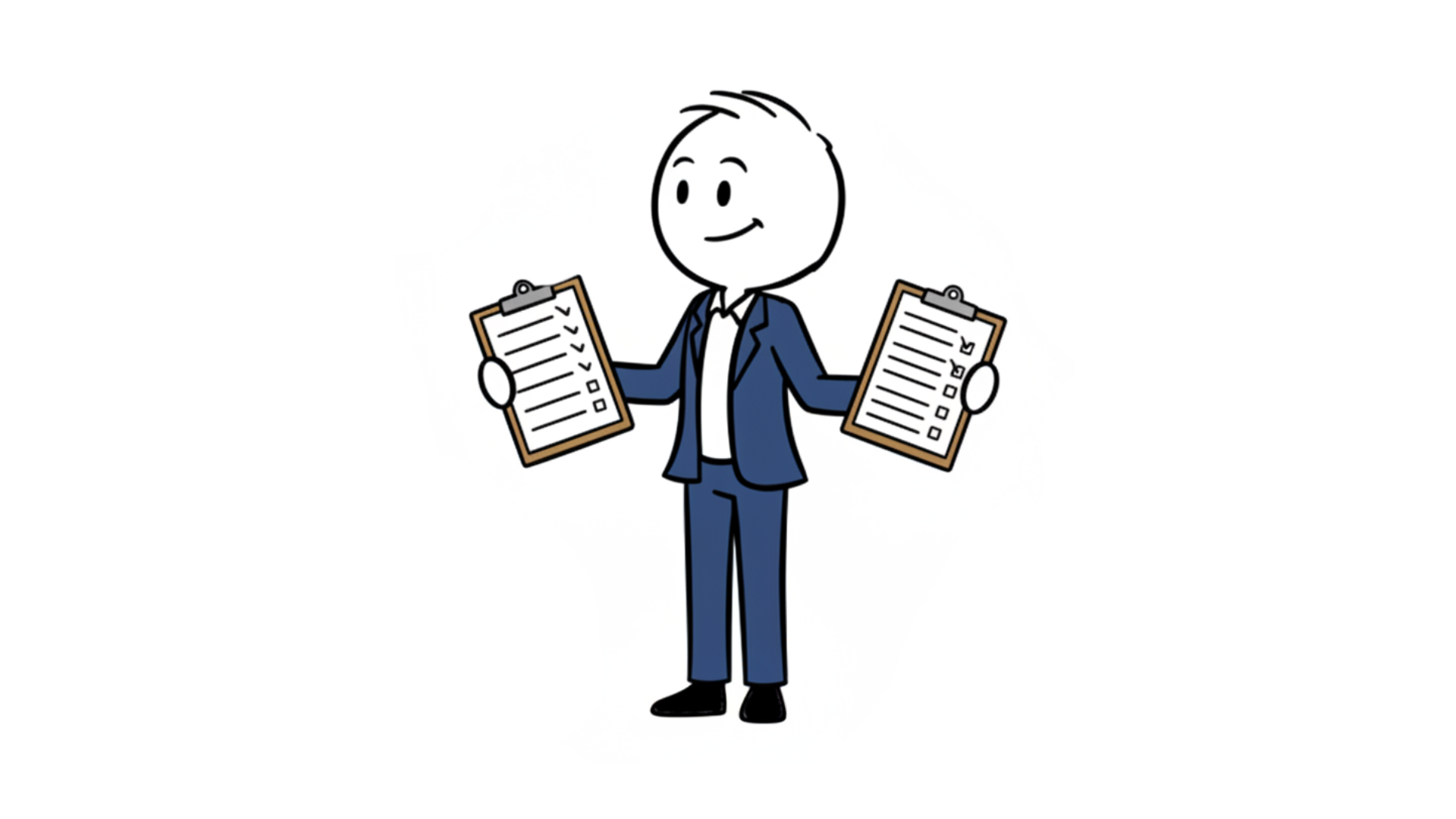
Organisations must distinguish between managing the contract as an object and managing business performance through the contract — and they must do both.
C-Learn’s philosophy mirrors this modern understanding:
Effective contract management requires seeing the contract both as an object to be managed and as a living tool that supports business objectives.
This means involving users from the moment a need arises, through tendering, negotiation, contract creation, execution, and closure. Only when both perspectives work together can organisations achieve optimal performance, stronger compliance, and greater value creation.
In C-Learn’s courses and programs, learners gain a clear and practical understanding of these approaches, including how to:
➢ align contract structures with business needs
➢ ensure contracts are designed for performance
➢ turn contracts into practical tools for delivery, risk management, and value creation
Our aim is to support professionals and organisations in building mature, modern contract management capabilities — and using contracts not just to protect value, but to create it.





.png)